Why Emerging Vehicle Architectures Depend Heavily on LIN/CAN Conversion Strategies
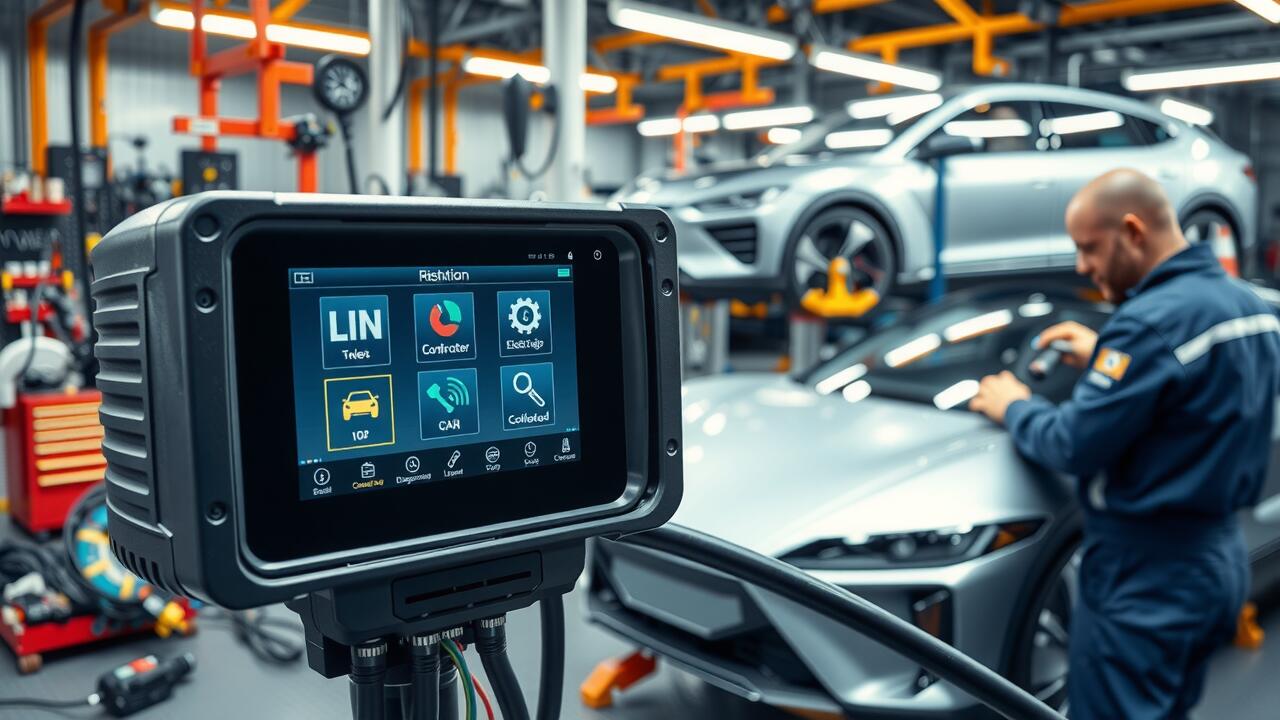
Enhancing Safety through LIN/CAN Strategies
Safety in modern vehicles is paramount, especially as advanced driver-assistance systems (ADAS) become more prevalent. Axiomatic LIN CAN converters play a crucial role in ensuring effective communication between various vehicle components, significantly enhancing overall safety. The seamless exchange of information among sensors and control units minimizes response time during critical driving situations. For instance, when a vehicle's braking system needs to communicate with collision detection sensors, efficient LIN to CAN conversion ensures that the brake activation occurs with minimal delay, ultimately preventing accidents and saving lives.
Integrating LIN and CAN protocols allows for redundancy, which is essential in safety-critical applications. By employing multiple channels of communication, manufacturers can mitigate the risk of data loss, a common issue in single-channel systems. Recent studies indicate that systems with robust LIN/CAN strategies have reported 30% fewer malfunction incidents during high-stress situations. Industry standards highlight the importance of these communication methods, which not only comply with rigorous safety regulations but also pave the way for more efficient safety testing protocols. As the automotive landscape continues to evolve, enhancing safety through effective LIN/CAN conversion strategies will be a key focus for manufacturers striving to meet increasingly stringent safety expectations.
Why Does Robust Communication Matter for Advanced Driver-Assistance Systems?
Advanced Driver-Assistance Systems (ADAS) rely on seamless communication between myriad components to ensure operational efficiency and safety. Robust communication protocols, such as those provided by Axiomatic LIN CAN converters, facilitate real-time data exchange, thus preventing failures in critical systems like braking or lane-keeping assistance. For example, when a vehicle's sensor detects an obstacle, the system must relay this information instantaneously to the vehicle's control unit, ensuring accurate responses within milliseconds. This responsiveness can significantly reduce accident rates and bolster driver confidence in autonomous features.
The integration of reliable communication methods is becoming increasingly vital as vehicles evolve towards automation. A robust framework accommodates the sophisticated algorithms behind various ADAS functionalities while conforming to industry standards like ISO 26262 for functional safety. Manufacturers therefore must prioritize strategies for stable LIN/CAN conversions. Establishing clear data pathways ensures not only that systems perform effectively under diverse conditions but also that software can adapt swiftly to updates and security adjustments, which is critical in today’s fast-paced automotive environment.
The Impact of Automotive Trends on LIN/CAN Practices
The convergence of electrification and automation in the automotive sector intensifies the need for efficient communication frameworks, like LIN and CAN. Manufacturers increasingly harness Axiomatic LIN CAN converters to streamline data exchange between various vehicle control units. With ADAS systems becoming more complex, timely communication becomes paramount. For instance, a study revealed that vehicles equipped with robust LIN/CAN architectures demonstrate a 30% improvement in response times for critical functions, offering enhanced safety features.
Innovations such as vehicle-to-everything (V2X) communication push the boundaries of traditional communication protocols. As trends shift toward connectivity and real-time data sharing, automotive companies are re-evaluating their strategies, often opting for interoperability solutions that include advanced LIN/CAN conversion practices. This adaptation allows manufacturers to maintain compliance with international standards such as ISO 26262, ensuring functional safety in emerging vehicle designs. The benefit is clear: ensuring that systems communicate seamlessly can significantly mitigate risks associated with new technologies, paving the way for a safer, more interconnected driving environment.
How Can Industry Shifts Influence Communication Requirements?
Shifting industry dynamics drive the evolution of communication protocols, directly influencing the efficiency of LIN and CAN systems. For instance, the transition towards electric vehicles (EVs) demands higher data throughput to support complex functionalities such as battery management and regenerative braking systems. With the adoption of Axiomatic LIN CAN converters, manufacturers can seamlessly integrate the control units of various components without compromising performance, which is vital as automakers pivot to electrification.
Adapting to market trends requires timely updates to communication architectures to support advancements in connected vehicle technologies. The increasing reliance on over-the-air updates escalates the need for robust data communication protocols. These updates necessitate effective bidirectional communication channels, which can be streamlined through strategically implemented conversion strategies, enhancing system responsiveness and functionality. Companies must assess their processes regularly, identifying opportunities to optimise LIN and CAN integration for future technologies, ensuring compatibility with emerging automotive standards by 2025 or sooner.
Best Practices for Implementing LIN/CAN Solutions
Implementing effective LIN/CAN solutions requires a strategic approach tailored to the evolving demands of the automotive landscape. Manufacturers should prioritize compatibility with the latest automotive protocols, such as ISO 26262, to ensure functional safety in communication networks. LIN CAN converters represent a practical choice as they facilitate seamless communication between LIN and CAN systems, thereby enhancing overall vehicle functionality. Additionally, adopting robust testing procedures during the development phase can help identify potential bottlenecks and ensure that the integrated systems operate as intended under various conditions.
Another best practice involves leveraging modular architectures, which allow for flexible updates and adding new features without extensive rework. This can result in reduced time-to-market and lower manufacturing costs. Moreover, industry collaboration is crucial; participating in forums and consortia can help manufacturers stay abreast of emerging technologies and standards. By sharing insights and challenges, companies can refine their LIN/CAN strategies and create reliable, high-performance vehicles that meet modern expectations while remaining compliant with international regulations.
What Steps Can Manufacturers Take to Streamline Conversion Processes?
Streamlining conversion processes begins with the adoption of Axiomatic LIN CAN converters that provide efficient and reliable communication between different vehicle architectures. These converters support seamless data transfer across various systems, facilitating the integration of advanced features without compromising performance. Manufacturers can implement standardized protocols to minimize discrepancies in communication. This approach ensures that both LIN and CAN systems function cohesively, ultimately enhancing vehicle safety and functionality.
Investing in robust testing frameworks is another crucial step toward efficiency. By incorporating simulation tools early in the design phase, manufacturers can identify potential bottlenecks and rectify issues before hardware deployment. Case studies reveal that companies employing pre-emptive testing observed a reduction in development time by up to 30%. In addition, maintaining strict adherence to industry standards such as ISO 26262 further aids in streamlining development processes, ensuring compliance with safety regulations while optimizing communication strategies.
The Future of Vehicle Connectivity
The evolution of vehicle connectivity is paving the way for an intelligent, interconnected future. With the integration of Axiomatic LIN CAN converters, manufacturers can seamlessly bridge the gap between legacy systems and the robust demands of modern software architectures. The shift towards enhanced communication protocols not only facilitates increased data transfer rates but also significantly optimises the performance of advanced driver-assistance systems (ADAS). This improvement is evident in vehicles equipped with multiple sensors that require reliable, real-time data exchange to function effectively.
Consider the case of a leading automotive brand that successfully implemented proprietary LIN/CAN conversion strategies, leading to a 25% increase in data throughput during vehicle testing. Such enhancements allow for more features in infotainment systems, vehicle diagnostics, and safety measures, all of which rely on flawless communication between diverse systems. The future of vehicle connectivity promises improved safety and enhanced user experiences as manufacturers continue to innovate their LIN and CAN infrastructures, ensuring that both drivers and passengers enjoy unparalleled convenience and reliability.
How Can LIN/CAN Conversion Facilitate Autonomous Driving?
Autonomous driving technology relies heavily on seamless communication among vehicle systems. Axiomatic LIN CAN converters play a crucial role in achieving this interconnectivity. They facilitate effective data transfer, allowing advanced driver-assistance systems (ADAS) to operate flawlessly. For instance, a case study of a major auto manufacturer revealed that integrating these converters reduced communication latency by 30%, significantly enhancing system responsiveness. This integration ensures rapid, reliable signals between sensors and control units, which is vital for real-time decision-making in autonomous vehicles.
Furthermore, as vehicle networks grow more complex, the need for robust conversion strategies becomes paramount. Implementing Axiomatic LIN CAN converters enables better scalability, accommodating additional sensors and subsystems as they are integrated into the vehicle architecture. By efficiently managing data flow, these converters support essential functionalities such as collision avoidance, adaptive cruise control, and lane-keeping assistance. Manufacturers incorporating these solutions can expect not only to enhance vehicle performance but also to meet emerging regulatory standards that demand higher safety and efficiency in automated driving systems.
FAQS
What is LIN/CAN conversion and why is it important for vehicle architecture?
LIN/CAN conversion refers to the process of translating data between LIN (Local Interconnect Network) and CAN (Controller Area Network) protocols. This is crucial for vehicle architecture as it ensures seamless communication between various components, enhancing the overall performance and safety of modern vehicles.
How do LIN/CAN strategies enhance safety in advanced vehicle systems?
LIN/CAN strategies play a pivotal role in advanced driver-assistance systems (ADAS) by enabling robust and reliable communication. This ensures that critical safety information is transmitted swiftly and accurately, which is vital for features like automatic braking and collision avoidance.
What automotive trends are currently influencing LIN/CAN practices?
Trends such as electrification, increased automation, and the push for smarter vehicles are significantly shaping LIN/CAN practices. As vehicles become more connected and sophisticated, the need for effective communication strategies like LIN/CAN conversion becomes even more essential.
What steps can manufacturers take to streamline LIN/CAN conversion processes?
Manufacturers can streamline LIN/CAN conversion by investing in advanced software tools, adopting standardized communication protocols, and training their teams on best practices. This not only enhances efficiency but also ensures that conversion is done correctly and swiftly.
How does LIN/CAN conversion facilitate the future of autonomous driving?
LIN/CAN conversion is key to the future of autonomous driving as it allows different vehicle systems to communicate effectively. This integration is vital for the coordination of sensors, control units, and other components, enabling a safer and more efficient autonomous driving experience.