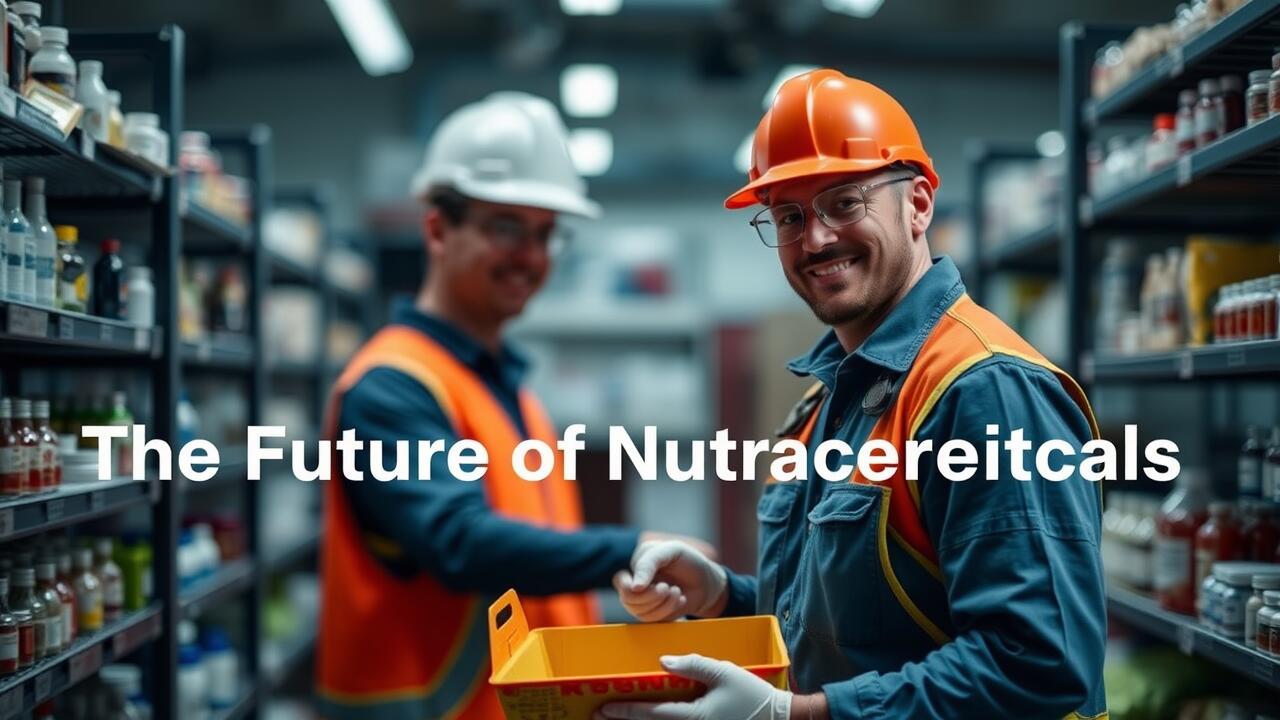
The Future of Nutraceuticals
Nutraceuticals and Aging
Imagine a world where pills replace kale smoothies. Skip the green dread and pop a capsule for eternal youth. Nutraceuticals come into play, promising to turn back time without the side effects of a mid-life crisis. They claim to offer vitality as if they’ve discovered the secret recipe hidden in grandma's antiquated cookbook. While some folk might believe they can defy gravity and wrinkle formation with the latest superfood blend, the rest of us just wonder when it’ll finally start tasting like a donut.
Aging gracefully is trending. Some may think a tiny pill can whisk them back to their college days, but life's journey is more intricate. Nutraceuticals may help fend off memory loss or keep skin looking fresh, but they can't reintroduce you to your long-lost eight hours of sleep. To navigate this slippery slope, it’s essential to approach these claims with caution. After all, if a magic pill really existed, the line would stretch around the block—right after the one for the buffet.
Can a Pill Really Turn Back Time? Spoiler
Aging might feel like an uninvited guest who just won’t leave, but with the right combination of nutraceuticals, you might just find the door. Some products promise to turn back the clock so dramatically that you could pass for your own younger sibling. Picture yourself, youthful and spry, sipping a concoction of exotic powders and trendy ingredients while your wrinkles flee in terror. Sure, it sounds like an Instagram influencer's dream come true. Yet, while some substances support health, others seem to only grant you the ability to say, “I feel younger!” after a solid night’s sleep.
The idea of popping a pill to turn the aging process into an urban legend brings out both hope and skepticism. Who wouldn’t want to feel like they just walked out of a rejuvenation chamber from a sci-fi flick? Unfortunately, while the science behind nutraceuticals is impressive, the results can resemble putting a bandage on a leaky boat. You might feel fabulous, but chances are your knees still groan like an old engine. So yes, there's a spark of truth in the magic of pills, but you might still want to keep that skincare routine handy and fill your pantry with some kale smoothies, just in case!
The Role of Technology in Nutraceutical Innovation
In the age of science fiction, where robots are your baristas and drones deliver cupcakes, it’s only fitting that technology has crashed the nutraceutical party. Picture this: a team of lab-coated geniuses using cutting-edge gadgets to discover the perfect combination of mushrooms and algae that promises eternal youth. But wait! These wizards of science also have their quirks. You might find them wearing VR headsets, adjusting the nutrient profiles of their concoctions while sipping smoothies that taste suspiciously like a forest floor. Innovation indeed takes strange forms, but hey, if they can turn kale into something you can actually enjoy, who are we to judge?
Artificial intelligence is now weighing in on what we should be swallowing. It's almost like having a personal chef who also moonlights as a nutritionist and a life coach. Imagine a futuristic kitchen where a friendly robot recommends a blend of berries and superfoods while debating the merits of quinoa versus amaranth. It’s a culinary revolution complete with recipes you would never think to create, which may or may not involve some kind of cyborg-enhanced chia pudding. As we dance into the world of nutraceuticals, the sky’s the limit—though some may still prefer plain old vitamins because, let’s admit it, even in the future, nothing beats a good multivitamin that doesn’t require a PhD to understand.
Robots, Lab Coats, and Smoothies - Nutraceutical Future Revealed
Imagine this scenario: a robotic chef whirring around your kitchen, expertly blending a kale-banana smoothie while simultaneously reciting Shakespeare. With advancements in technology, the idea of a mechanical sidekick in the health food revolution doesn't seem that far-fetched. Instead of wrestling with your blender while trying to follow a Pinterest recipe, imagine a gleaming robot that knows the exact amount of protein powder to add. Because why should anyone suffer through a lumpy protein shake when the future holds the promise of perfectly blended smoothies served with a side helping of wit?
Meanwhile, lab coats are becoming the fashion statement of the nutraceutical world. Scientists are not just mixing potions; they are turning themselves into health food influencers. Teams like the flavor and formulating experts at ELIS Manufacturing and Packaging Solutions know their business. Who knew that wearing a lab coat could be the new way to seem credible while hawking the latest superfood? Suddenly, every nutrient-dense algae is being marketed by a team of white-coated wizards equipped with research papers and a PowerPoint presentation. It's like a chemistry class is throwing a party and everyone is invited—especially if you show up with a seaweed snack in hand.
- Robots will soon out-bake your grandmother, and she won't even need to know about the gluten.
- Lab coats are great for protecting yourself from accidental smoothie splatters and unwanted judgment.
- Your robot chef's puns will probably be smoother than your smoothies.
- Who needs Instagram filters when lab-coated scientists are ready to turn your green smoothie into a fashion statement?
- With robots on the job, you'll finally be able to spend more time watching Netflix rather than scrubbing your blender.
- Forget personal trainers—lab-coated robots could become the hottest new health coaches (and they won’t judge your pizza nights).
- Say goodbye to ingestion guilt, because your robot can remind you that kale is just “grass’s rebellious cousin.”
Marketing Mayhem
In a world where seaweed can suddenly transform from a beach nuisance to the next miracle cure, marketing has become a carnival of quirky claims and exaggerated testimonials. You might find yourself wondering why that green, slimy stuff got a PR makeover worthy of a Hollywood star. One moment it's labeled "the mulch of the sea," and the next, you're being told it holds the secrets to eternal youth. If only we could market our own laundry as something that could erase not just stains but the horrors of last weekend's questionable life choices.
Consumers are now bombarded with ads that lean heavily on the absurd. Ever seen a vibrant smoothie blend while a soothing voice over promises it will balance your chakras and make you irresistible to the opposite sex? It's like they believe we’ll guzzle down a green concoction and magically transform into supermodels. This chaotic landscape makes it difficult to separate genuine innovation from overzealous gimmicks, where every new trend is touted as the one true path to wellness. Next thing you know, your grandma might be asking for a bottle of seaweed extract instead of her usual daily multivitamin.
How to Market Seaweed as the Next Miracle Cure
Picture this: you’re lounging on a beach, seaweed casually dangling from your arm like a posh accessory. Naturally, you tell everyone that this is the latest miracle cure, perfect for youthful skin, endless energy, and surprisingly good karaoke skills. To sell that seaweed dream, you need to swap out the boring scientific jargon for amusing anecdotes. “Did you know that this slimy green stuff was just a snack for confused fish before it became the hottest thing since avocado toast?” Telling an engaging story is the first step to transforming your seaweed from fish food to a coveted superfood.
Next, don't underestimate the power of social media. Instagram is filled with influencers showcasing their glow-up thanks to, you guessed it, seaweed smoothies and face masks. With catchy hashtags like #SeaweedSavvy and #UnderTheSeaGlow, create a wave of fascination around your product. Perhaps add a sprinkle of quirky challenges, such as “Make a Seaweed Smoothie Without Gagging.” People love a good laugh, especially when they might just find the secret to better health. Trust me, laughter is the real miracle cure, but seaweed can certainly add some flavor!
DIY Nutraceuticals
Creating your own nutraceuticals can feel like stepping into a high-stakes cooking show, where the prize is either vibrant health or a trip to the local emergency room. Imagine blending kale, chia seeds, and a hint of despair as you try to concoct a smoothie that promises to boost your immunity and your Instagram following. The ingredients can be as unpredictable as that friend who swears by a new superfood every month. One week it's spirulina, the next, it’s somehow always a different kind of mushroom. At this rate, one could argue you'd have a better chance of winning the lottery than creating the next big health trend in your kitchen.
However, not all DIY adventures end in disaster. Many enthusiasts have successfully combined their knowledge of herbal remedies with a few kitchen staples to create delightful, nutritious concoctions. Picture yourself triumphantly pouring a vibrant green juice into a mason jar, convinced you're one step closer to unlocking the secrets of youth. Friends might applaud your efforts, but let’s be honest—most of them are just waiting for their turn to chug the next green goo you whip up. Remember, every kitchen experiment is a learning opportunity, even if your latest creation resembles something that crawled out of a swamp.
FAQS
What are nutraceuticals, and can they really make you young again?
Nutraceuticals are like the superheroes of the food world—packed with nutrients that can promote health. But before you start expecting to find a fountain of youth in your morning smoothie, remember that while they may help, they won’t magically reverse the aging process. Sorry, no time travel yet!
Are robots really involved in making nutraceuticals?
Absolutely! Forget about lab coats and beakers; it’s all about robots now. These machines are the new sous chefs, combining science and efficiency to whip up the latest health-boosting concoctions. Just don’t ask them to make your morning coffee—yet.
How do companies market nutraceuticals without sounding like they’re selling snake oil?
It's all about creative marketing! Companies often use catchy phrases, flashy packaging, and a dash of science to make seaweed sound like the next miracle cure. Just remember, if it sounds too good to be true, it probably is—unless it’s chocolate, then it’s definitely true.
Can I really make my own nutraceuticals in my kitchen?
Sure, you can don an apron and become a DIY nutraceutical chef! Just be prepared for some experiments that may lead to kitchen disasters worthy of a reality show. A smoothie that tastes like grass? You might want to leave that to the professionals!
What’s the future of nutraceuticals? Will they replace my daily multivitamin?
The future looks bright for nutraceuticals—think of them as your supplements’ cooler, trendier cousins. They might not completely replace your daily multivitamin, but they could become an essential part of your health routine. Just make sure you’re not mixing them with kale—no one wants a funky smoothie!