The Hidden Costs of Poor Lubrication in Steel Manufacturing
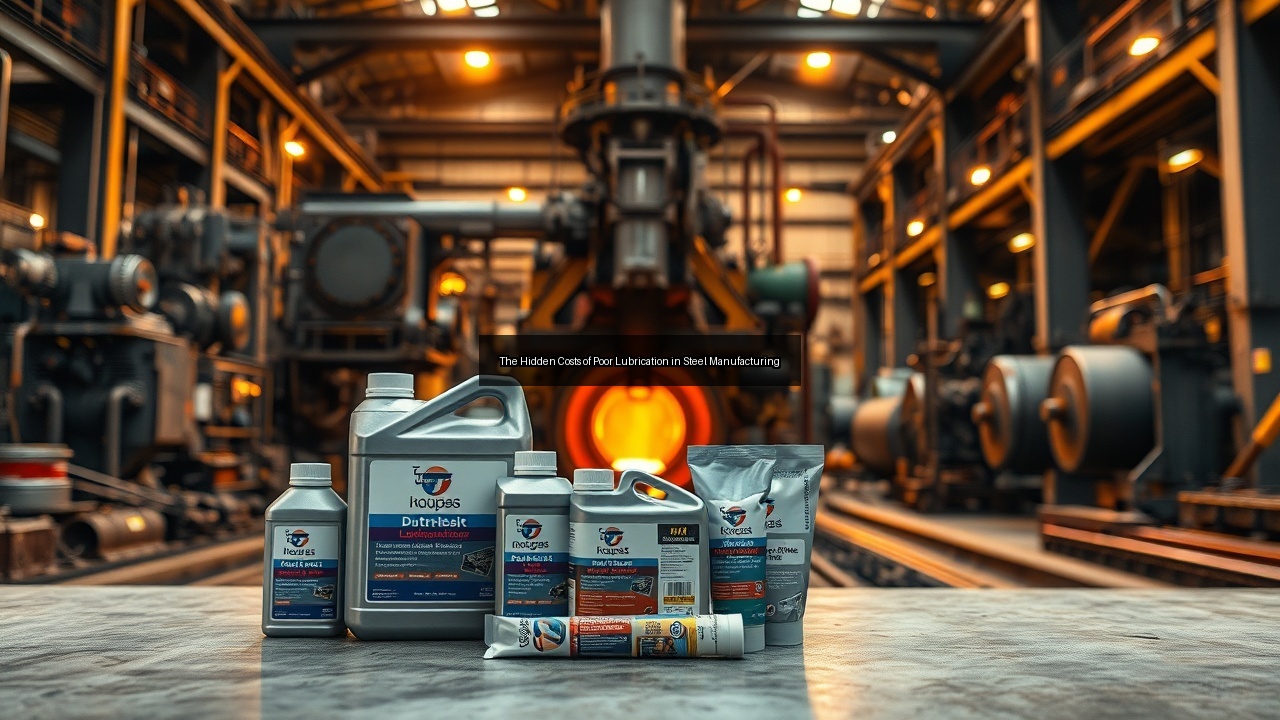
Understanding Steel Mill Lubrication
The Role of Lubricants in Steel Production
Lubricants play a crucial role in the steel production process, acting as protective agents that reduce friction between moving parts in machinery. In steel mills, where heavy machinery operates under high pressures and extreme temperatures, the appropriate use of lubricating oils and greases is vital. These lubricants maintain equipment performance by preventing wear and tear, thereby extending the life of critical components. Proper lubrication enhances the efficiency of operations, allowing for smoother processes in casting, rolling, and other stages of steel production. Ultimately, effective lubrication contributes significantly to the overall productivity and reliability of steelworks.
Types of Lubricants Used in Steel Mills
Steel mills utilize various types of lubricants tailored to specific applications and machinery requirements. Common options include industrial lubricants like oils and greases, specialized for high-temperature environments. Metalworking fluids serve as coolants and lubricants in processes like tube bending and hot rolling, ensuring smooth operation and preventing overheating. Additionally, gear lubricants are essential for maintaining the efficiency of gears and bearings, critical components in heavy machinery. Each lubricant type has unique properties suited for different tasks, and selecting the right one is essential for optimal equipment performance in steel manufacturing.
Impact of Poor Lubrication on Equipment Performance
Inadequate lubrication significantly impacts equipment performance within steel mills. Insufficient lubrication can lead to increased friction, resulting in overheating and accelerated wear on machine components. This wear can ultimately compromise the efficiency of production processes, leading to costly breakdowns and repairs. Moreover, poor lubrication often results in diminished operational speeds, as machinery struggles to function smoothly. In continuous casting and rolling mills, for instance, the repercussions of inadequate lubrication may manifest as defects in the final product, further complicating production and quality control. Hence, maintaining proper lubrication is not just about protecting machinery; it directly influences overall manufacturing success.
Consequences of Inadequate Lubrication
Increased Wear and Tear on Machinery
Inadequate lubrication accelerates wear and tear on machinery within steel mills. Components such as bearings, gears, and moving parts require consistent lubrication to function optimally. Without proper lube application, these parts experience higher friction, leading to premature degradation. The wear manifests as increased maintenance requirements and ultimately necessitates costly part replacements. This cycle of wear not only affects the specific machinery but can also disrupt entire production lines, leading to cascading inefficiencies. In the long run, neglecting lubrication needs can result in significant operational disruptions, affecting the entire steel production process.
Effects on Productivity and Efficiency
The impact of poor lubrication extends to productivity and efficiency in steel manufacturing. When machinery operates with insufficient lubrication, performance decreases, causing slower production rates. Equipment breakdowns due to lubrication failures lead to unplanned downtime, directly affecting the steel plant's output. Continuous casting and hot rolling operations are particularly sensitive to efficiency losses, as any delay can lead to substantial financial losses. Consequently, maintaining optimal lubrication not only minimizes wear but also ensures that production lines operate at peak performance, maximizing throughput and profitability in the steel industry.
Impact on Product Quality and Consistency
Poor lubrication practices significantly affect the quality and consistency of steel products. In processes such as casting and rolling, the quality of the final product hinges on the performance of machinery. Insufficient lubrication can lead to defects such as surface irregularities, dimensional inaccuracies, and reduced mechanical properties in the steel. These defects compromise product integrity, which can result in costly rework or scrap. For manufacturers, maintaining high-quality standards is essential for customer satisfaction and compliance with industry regulations. Thus, effective lubrication practices are vital for ensuring that the final steel products meet required specifications and maintain consistency across batches.
Cost Implications of Poor Lubrication Practices
Direct Costs: Maintenance and Repairs
The direct costs associated with poor lubrication practices in steel manufacturing can be substantial. Increased wear and tear on machinery leads to higher maintenance expenses as operators must frequently repair or replace components. Bearings, gears, and other critical parts demand significant investment when not properly lubricated. Additionally, routine maintenance that could have been scheduled for less critical tasks often escalates into emergency repairs, causing further financial strain. These unexpected costs can erode profit margins and impede the financial health of steel mills. Therefore, investing in proper lubrication strategies can mitigate these expenses and promote long-term operational viability.
Indirect Costs: Downtime and Lost Production
Indirect costs stemming from poor lubrication practices can be even more damaging than direct maintenance expenses. Downtime due to equipment failure leads to lost production hours, which translates into decreased revenue. In a competitive steel industry, each minute of unplanned downtime can result in significant financial loss. Moreover, the impact extends beyond immediate losses; it can also affect customer relationships and market positioning. Consistent delays in production schedules can lead to contract penalties or loss of future business opportunities. Therefore, optimizing lubrication not only enhances equipment reliability but also safeguards against the indirect costs associated with lost productivity.
Long-term Financial Impact on Steel Manufacturing
The long-term financial implications of inadequate lubrication practices in steel manufacturing can be profound. Over time, the compounded effects of increased maintenance costs, lost production, and compromised product quality can create a substantial financial burden. gear lube Consistent underperformance can hinder a steel plant's ability to invest in new technologies or expand operations. Furthermore, a reputation for unreliable production can damage relationships with customers and suppliers, leading to a decline in market competitiveness. A proactive approach to lubrication, emphasizing preventative measures, can yield significant long-term savings and ensure sustained operational success in the steel industry.
Best Practices for Effective Steel Mill Lubrication
Choosing the Right Lubricants for Steelworks
Selecting the appropriate lubricants for steelworks is essential for optimal equipment performance. Steel mill lubricants must withstand extreme temperatures and pressures while providing effective protection against wear and corrosion. Factors such as the type of machinery, operating conditions, and specific applications dictate lubricant selection. For instance, gear lubricants should possess properties that minimize friction while ensuring compatibility with the materials used in gears and bearings. Regularly reviewing and updating lubricant formulations in line with technological advancements can further enhance performance. By choosing the right lubricants, steel manufacturers can significantly improve machinery efficiency and longevity.
Implementing a Lubrication Schedule
Establishing a comprehensive lubrication schedule is vital for maintaining equipment performance in steel mills. A well-structured schedule ensures that lubricants are applied consistently and adequately across all machinery, reducing the risk of inadequate lubrication. This proactive approach involves determining the frequency of lubrication based on machinery usage, operating conditions, and manufacturer recommendations. Regular monitoring of lubricant levels and conditions can help identify potential issues before they escalate into costly repairs. Training personnel on proper lubrication techniques and the importance of adherence to the schedule further enhances operational reliability in steel manufacturing.
Monitoring and Analyzing Lubricant Performance
Continuous monitoring and analysis of lubricant performance play a critical role in effective steel mill lubrication. Regular assessments can identify potential problems such as contamination or degradation of lubricants, allowing for timely corrective measures. Implementing lubricant analysis programs, including testing for viscosity, wear particles, and contamination levels, provides valuable insights into equipment health and lubrication effectiveness. Utilizing this data enables steel plants to make informed decisions regarding bearing lubrication lubricant selection and maintenance practices. By emphasizing a proactive approach to monitoring lubricant performance, manufacturers can significantly enhance machinery efficiency and reduce operational costs.
See Also
- How the Right Lubricant Can Transform Your Steel Mill Operations
- Choosing the Best Gear Lubricants for Steel Production Machinery
- Key Factors to Consider When Selecting Steel Mill Lubricants
- How Water-Based Lubricants Are Changing the Steel Industry Landscape
- Maximizing Efficiency in Steel Plants with Advanced Lubrication Solutions