Exploring the Financial Implications of Gearbox Rebuild Costs
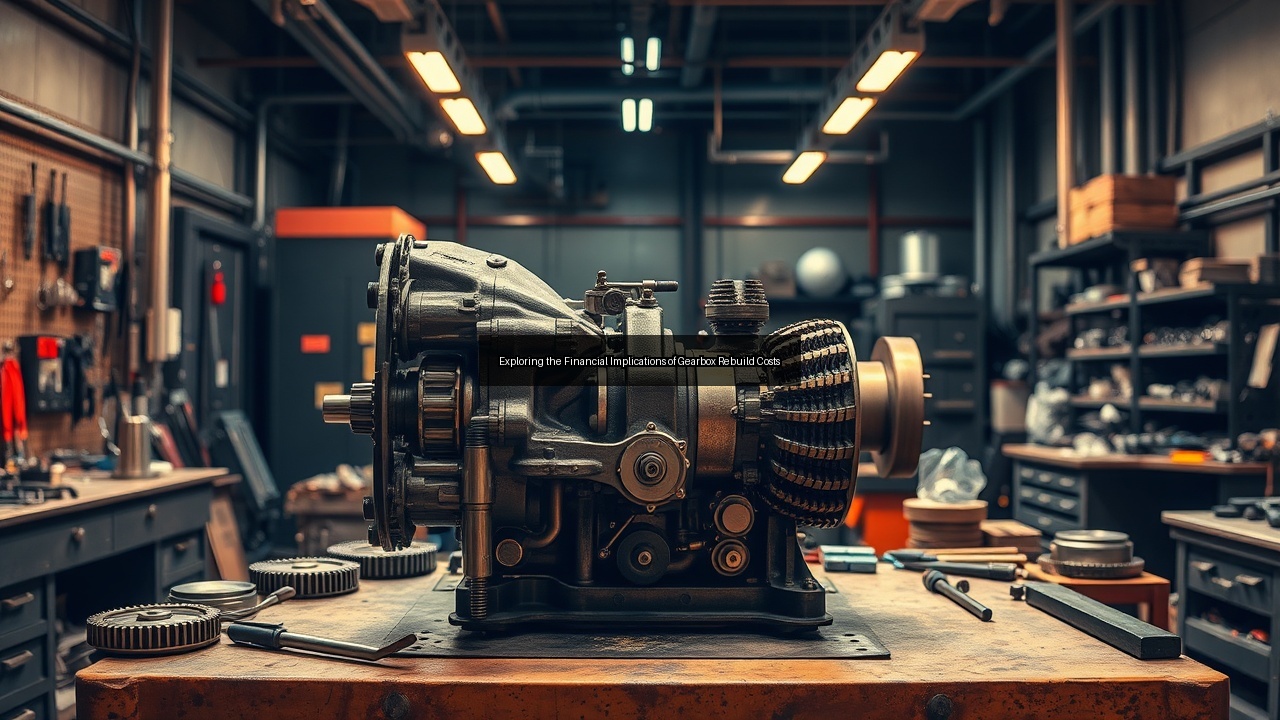
Understanding Gearbox Rebuild Costs
Factors Influencing Gearbox Rebuild Costs
Gearbox rebuild costs can vary significantly based on several critical factors. First, the type of gearbox plays a vital role. For instance, a complex reduction gearbox with multiple gears may demand more labor and specialized parts compared to simpler gearboxes. The extent of damage also impacts costs. Minor repairs may only require a few parts and minimal labor, while a complete overhaul might necessitate extensive machining and replacement of numerous components. Labor rates in different regions or shops can fluctuate considerably, affecting the overall cost. Additionally, the availability of parts influences expenses. Rare or discontinued parts can drive costs up, as they may involve custom fabrication or sourcing from specialized suppliers. Understanding these factors allows for better budgeting and planning when facing gearbox repairs.
Comparing Costs: Repair vs. Rebuild
Deciding between repair and rebuild often hinges on cost-effectiveness and longevity. Repairs typically include fixing specific issues, which can be a quick solution but may lead to recurring problems if underlying issues remain unaddressed. In contrast, a gearbox rebuild involves a comprehensive examination and refurbishment of all components. This process not only restores the gearbox to optimal functionality but often extends its lifespan significantly. While the upfront costs of a rebuild may be higher, the long-term savings from improved efficiency and reduced risk of future failures can make this option more appealing. Additionally, a rebuild often comes with warranties, providing peace of mind that repairs will hold up over time. Evaluating the total cost of ownership, including potential downtime and future repairs, is crucial for making an informed decision.
The Role of Brand in Gearbox Costs
The brand of a gearbox can significantly influence its rebuild costs. Established manufacturers often provide higher-quality components, which may lead to better performance and durability. However, these parts typically come at a premium price. In contrast, budget brands may offer lower initial costs but can lead to increased repair and maintenance needs over time. Understanding the reputation and reliability of different brands can guide decisions about which gearboxes to purchase and subsequently rebuild. Additionally, some brands have a robust network of service providers, making it easier to find qualified gearbox repair services. This accessibility can also impact the total cost of ownership, as reliable service helps mitigate the risks associated with gearbox failures.
The Financial Impact of Gearbox Failures
Identifying Common Gearbox Failures
Gearbox failures can arise from various issues, each with its financial implications. Common failures include worn gears, bearing failure, and lubrication issues. Worn gears often result from prolonged use without proper maintenance, while bearing failures can be caused by inadequate lubrication or contamination. These failures lead to decreased efficiency and increased operational costs. Other issues, such as misalignment or improper installation, can also contribute to gearbox problems. Identifying these failures early through regular inspections can save significant costs associated with extensive repairs and operational downtime. Understanding the common causes of gearbox failures enables companies to implement proactive measures, reducing the likelihood of costly breakdowns.
Cost of Downtime Due to Gearbox Failures
Downtime resulting from gearbox failures can have drastic financial repercussions for any company. Each hour of downtime translates to lost productivity, which can quickly add up, particularly in industries reliant on machinery for daily operations. In manufacturing, for instance, a single gearbox failure could halt production lines, leading to delayed orders and dissatisfied customers. The cost of lost revenue can be staggering. Additionally, the expenses associated with emergency repairs often exceed planned maintenance costs, compounding the financial impact. Companies must recognize that investing in preventative maintenance programs can mitigate the risks of gearbox failures and minimize downtime, ultimately protecting their bottom line.
Root Cause Analysis of Gearbox Failures
Conducting a root cause analysis (RCA) of gearbox failures allows companies to identify underlying issues, preventing future occurrences. RCA involves systematically investigating failures to uncover the reasons behind them. This process not only addresses the immediate problem but also helps in understanding operational practices and maintenance protocols that may need improvement. For example, if inspections reveal that poor lubrication practices lead to frequent bearing failures, companies can adjust their maintenance schedules accordingly. Investing time and resources into thorough failure analysis can yield significant cost savings over time by enhancing the reliability of gearboxes and reducing the frequency of repairs. Implementing lessons learned from RCA can lead to the development of best practices that proactively maintain gearbox performance.
Preventative Maintenance and Its Cost Benefits
Importance of Regular Inspection and Lubrication
Regular inspection and lubrication are cornerstones of effective gearbox maintenance. These practices help identify potential issues before they escalate into major failures. Inspections can reveal signs of wear or misalignment, allowing for timely repairs that prevent costly breakdowns. Lubrication, on the other hand, minimizes friction between gears and bearings, reducing wear and extending the life of the gearbox. Companies must establish a routine maintenance schedule that includes inspections and lubrication to maximize gearbox efficiency. This proactive approach not only enhances performance but also translates to significant cost savings by minimizing the risk of unexpected failures and associated repair expenses.
Cost Savings Through Preventative Maintenance
Investing in preventative maintenance yields substantial cost savings in the long run. While initial costs may seem higher than reactive maintenance strategies, the benefits far outweigh the expenses. By addressing potential issues early on, companies can avoid the higher costs of emergency repairs and downtime. Additionally, well-maintained gearboxes operate more efficiently, leading to reduced energy consumption and lower operating costs. For organizations, the savings from enhanced operational efficiency can be reinvested into other areas of the business, creating a cycle of continuous improvement. Formulating a comprehensive preventative maintenance plan that includes regular inspections, lubrication, and timely repairs is crucial for sustaining the financial health of any operation.
Long-Term Efficiency Gains from Overhauls
Overhauls of gearboxes can deliver long-term efficiency gains that significantly enhance operational performance. A complete gearbox rebuild restores components to like-new condition, often improving efficiency beyond initial specifications. This improvement leads to reduced energy consumption and lower operational costs, directly benefiting the company's bottom line. Furthermore, overhauls can address design flaws and incorporate modern materials or technologies that enhance gearbox performance. Although the upfront cost of a rebuild may be considerable, the long-term gains in efficiency and reliability make it a worthwhile investment. Companies should carefully evaluate the potential benefits of gearbox overhauls as part of their long-term strategy for maintaining machinery.
Choosing the Right Gearbox Rebuild Services
Evaluating Gearbox Repair Shops and Services
Choosing the right gearbox rebuild services is crucial for ensuring quality repairs and maintenance. Evaluating potential gearbox repair shops involves considering their reputation, experience, and customer feedback. A shop with a history of successful gearbox rebuilds and satisfied customers is often a reliable choice. Additionally, assessing the qualifications of technicians can provide insights into the quality of service you can expect. Look for shops that specialize in your specific type of gearbox, as specialized knowledge can lead to better outcomes. Furthermore, asking for detailed estimates and understanding the scope of services provided can help in making an informed decision regarding gearbox repairs.
Understanding Warranty Implications
Warranties offered by gearbox rebuild services can significantly influence your decision-making process. A comprehensive warranty indicates the service provider's confidence in their work, offering peace of mind that repairs will hold up over time. Understanding the terms of the warranty, including coverage duration and specific components included, is essential. Some warranties may cover only parts, while others include labor, which can impact future costs. Choosing services that provide robust warranty options can safeguard against unexpected failures and provide financial protection. Always clarify warranty details before proceeding with a gearbox rebuild to ensure you know what to expect.
Reverse Engineering and Its Cost-Efficiency
Reverse engineering can be a cost-efficient approach to gearbox repairs and rebuilds. This process involves disassembling a gearbox to analyze its components, allowing technicians to understand its design and functionality thoroughly. By identifying parts that need replacement or improvement, reverse engineering can lead to tailored solutions that enhance performance. This approach is particularly beneficial for older gearboxes where original parts may be obsolete or difficult to source. While reverse engineering may involve upfront costs, the long-term savings from improved performance and reduced risk of failure often justify the investment. Companies should consider reverse engineering as a valuable option when planning gearbox rebuilds.