Expert Tips for Maintaining Your Automatic Lubrication System
Understanding Automatic Lubrication Systems
What is an Automatic Lubrication System?
An automatic lubrication system, often referred to as an auto lube system, delivers precise amounts of lubricant to various components of machinery without requiring manual intervention. This technology streamlines the lubrication process and improves the efficiency of operations, particularly in environments where equipment runs continuously, such as data centers, factories, and on trucks and trailers. By ensuring that bearings, pumps, and other critical moving parts receive consistent lubrication, these systems help maintain optimal performance and reduce wear and tear, ultimately enhancing operational reliability.
Key Components of an Automatic Lubrication System
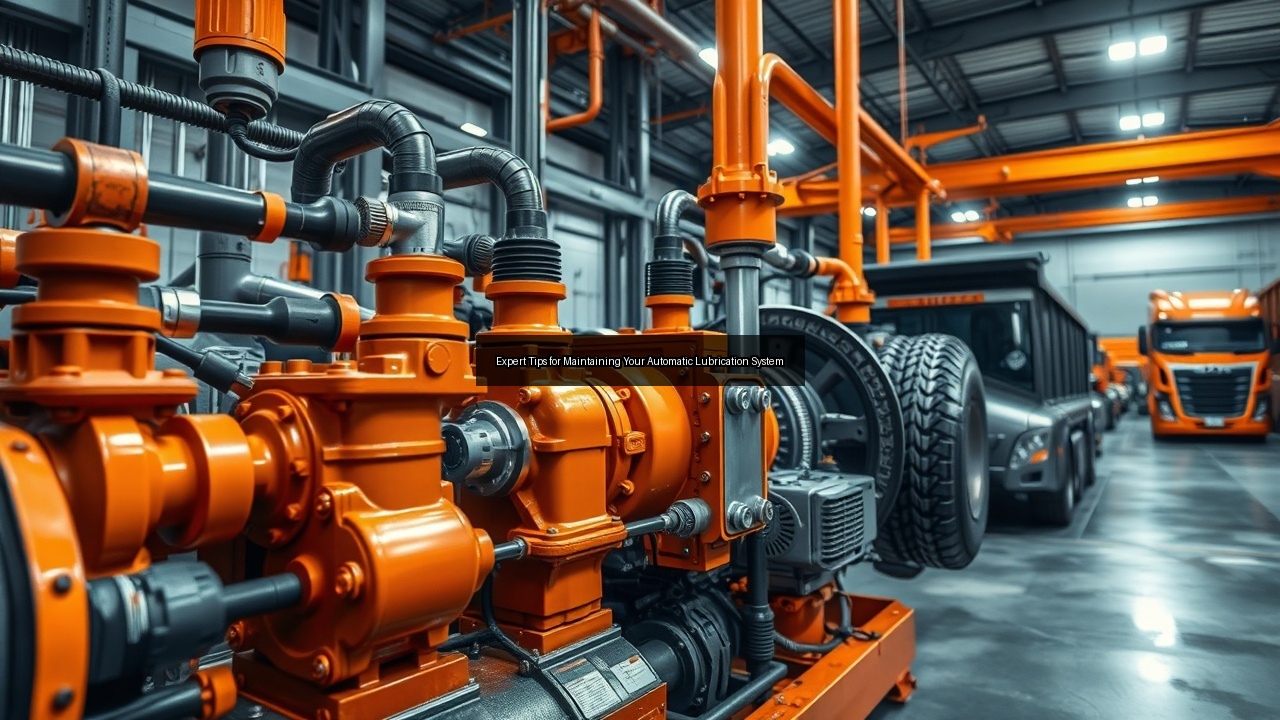
Understanding the components of an automatic lubrication system is essential for effective maintenance. The primary parts include lubrication pumps, distribution lines, and lubricators, which can either be grease systems or oil systems, depending on the application. Pumps are responsible for moving the lubricant from a reservoir to the lubrication points, while connectors and nozzles ensure the lubricant reaches specific areas, such as bearings or compressors. Additionally, condition monitoring sensors may be integrated into the system to track lubricant levels and pump performance, providing valuable data for maintenance teams and helping to optimize the lubrication process.
How Automatic Lubrication Systems Enhance Reliability
Automatic lubrication systems significantly enhance the reliability of machinery. By delivering the right quantity of lubricant at the right time, these systems prevent over-lubrication and under-lubrication, both of which can lead to equipment failure. Consistent lubrication reduces friction and heat, extending the life of components like bearings and pumps. Moreover, the automation of lubrication tasks reduces the need for frequent manual checks, enabling maintenance personnel to focus on more critical tasks. In industries where equipment downtime can lead to substantial financial losses, reliable lubrication becomes a cornerstone of operational efficiency and productivity.
Essential Maintenance Practices for Automatic Lubrication Systems
Routine Inspections and Condition Monitoring
Routine inspections and condition monitoring play vital roles in maintaining an automatic lubrication system. Regular checks ensure that all components, including pumps, lines, and lubricators, are functioning correctly and that lubricant reservoirs are adequately filled. Condition monitoring systems provide real-time data on lubricant levels, pump pressure, and flow rates, allowing maintenance teams to identify potential issues before they escalate. Implementing a schedule for routine inspections maximizes the reliability of the lubrication system, decreases the likelihood of unexpected repairs, and helps maintain the overall health of the machinery it services.
Common Repairs and Maintenance Tasks
Despite their reliability, automatic lubrication systems require regular maintenance and occasional repairs. Common tasks include checking for leaks, ensuring that all connections are secure, and replacing worn-out hoses or fittings. Additionally, maintenance teams often need to calibrate the lubrication pumps to ensure the correct amount of lubricant is dispensed. If the system uses a grease system, regular replacement of grease cartridges is necessary. Keeping an inventory of essential components can streamline repairs and minimize downtime, ensuring that the lubrication system continues to operate effectively.
The Importance of Quality Lubricants
The choice of lubricant significantly impacts the performance of an automatic lubrication system. High-quality lubricants reduce friction and wear on moving parts, enhancing the lifespan of components like bearings and pumps. Selecting the right type of lubricant—whether oil or grease—requires understanding the specific requirements of the machinery, including operating temperatures and load conditions. Investing in quality lubricants not only improves machinery reliability but also minimizes maintenance costs in the long run. Using inferior lubricants can lead to increased wear, breakdowns, and ultimately, costly repairs and maintenance.
Cost Management and Efficiency in Lubrication
Reducing Maintenance Costs with Automation
Automation in lubrication significantly reduces maintenance costs. By implementing an automatic lubrication system, organizations minimize manual labor and the frequency of lubrication tasks. These systems ensure that machinery receives consistent and accurate lubrication, which reduces the risk of breakdowns and extends equipment lifespan. The decrease in unplanned downtime translates into substantial savings, as repairs and lost productivity can be costly. Furthermore, automation allows for better tracking of lubricant usage, enabling more informed decisions about inventory management and reducing waste associated with excess lubricant.
Impact of Reliable Lubrication on Equipment Longevity
Reliable lubrication directly correlates with the longevity of machinery. An automatic lubrication system ensures that bearings, pumps, and other critical components receive the necessary amount of lubricant, preventing premature wear and catastrophic failures. Proper lubrication reduces friction and heat, which are primary contributors to mechanical failure. By maintaining optimal operating conditions, organizations can extend the life of their equipment, leading to lower capital expenditures on replacements and repairs. This reliability translates into a more predictable operating environment, allowing for better planning and resource allocation across the business.
Evaluating Different Lube Solutions and Brands
Choosing the right lube solutions and brands is crucial for achieving optimal performance from an automatic lubrication system. Various brands offer lubricants with different formulations suited for specific automatic grease system applications, such as high-temperature environments or heavy loads. Evaluating these options involves understanding the compatibility of lubricants with existing equipment and the specific lubrication needs of the machinery. Consult with lubrication specialists to identify the best solutions that align with operational demands and budget considerations. A well-informed choice in lubrication products enhances system performance and contributes to overall efficiency.
Troubleshooting and Repairing Automatic Lubrication Systems
Identifying Common Issues in Lubrication Pumps
Lubrication pumps are the heart of an automatic lubrication system, and identifying common issues is essential for effective troubleshooting. Common problems include blockages in the lubricant lines, which can prevent proper flow, and malfunctioning pumps that fail to dispense the correct quantity of lubricant. Monitoring system pressure can help pinpoint issues early, as drops in pressure often indicate clogs or pump failures. Regularly checking the condition of the pumps and associated components can help maintenance teams address issues before automatic lube system they escalate into costly repairs.
Repair Strategies for Automatic Lubricators
Repairing automatic lubricators requires a systematic approach. Begin by diagnosing the issue—whether it's a blockage, a faulty connector, or a pump malfunction. Common strategies include cleaning the lubrication lines to remove blockages and replacing damaged components like hoses or connectors. It's also essential to recalibrate the lubricators once repairs are made to ensure they dispense the correct amount of lubricant. Keeping a set of common repair parts on hand can minimize downtime and ensure that repairs are completed quickly, keeping machinery running smoothly.
When to Seek Professional Assistance for Repairs
While many lubrication issues can be addressed in-house, some situations require professional assistance. If troubleshooting does not resolve the problem, or if the lubrication system shows signs of significant failure, consulting with an expert is prudent. Professionals bring specialized knowledge of lubrication technology and can diagnose automated lubrication complex issues that may not be immediately apparent. Additionally, seeking assistance for large-scale systems, especially in critical operations like data centers or heavy machinery, ensures repairs are conducted safely and effectively, minimizing downtime and operational disruptions.