From Concept to Creation Rapid Prototyping in CNC Machining
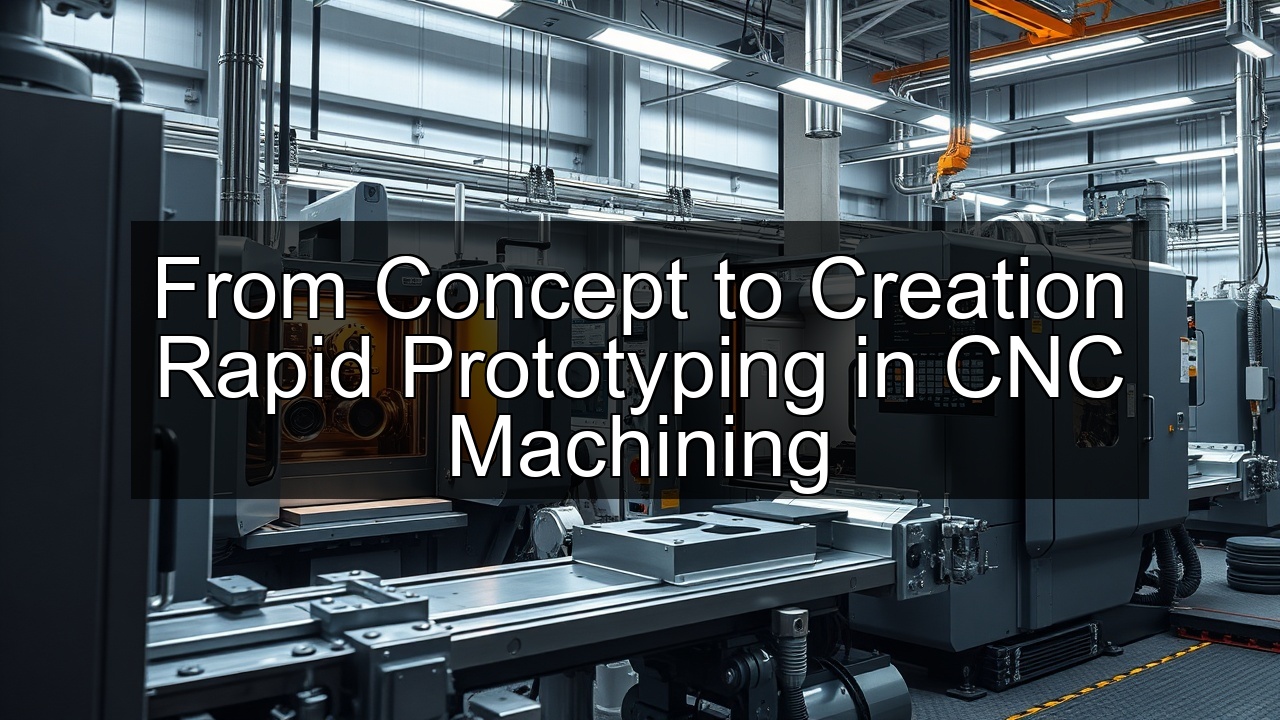
Understanding Rapid Prototyping in CNC Machining
The Role of CNC in Rapid Prototyping
CNC, or Computer Numerical Control, plays a pivotal role in rapid prototyping by allowing manufacturers to create precise and intricate designs quickly. This technology utilizes computer software to control machining tools, which can include milling machines, lathes, and routers. Rapid prototyping with CNC enables engineers and designers to transform digital models into tangible parts in a fraction of the time required by traditional methods. CNC machines streamline the fabrication process, allowing for quick iterations and modifications, which is essential in product development cycles. By employing CNC programming, designers can ensure high accuracy and repeatability, making it easier to produce prototypes that meet exact specifications.
Benefits of Precision CNC Machining for Prototyping
Precision CNC machining offers numerous advantages for prototyping, particularly in achieving high tolerances and superior surface finishes. This level of accuracy is critical when creating parts for industries such as automotive and aerospace, where even the slightest deviation can lead to failures. CNC machines can work with a variety of materials, including metals, plastics, and alloys, providing versatility in prototyping. Additionally, CNC machining reduces the time from design to production, allowing manufacturers to bring products to market faster. The ability to produce complex geometries without the need for extensive tooling further enhances the effectiveness of rapid prototyping. Cost efficiency also improves as CNC reduces material waste through optimized cutting paths.
Key Technologies in CNC Prototyping
Several technologies enhance CNC prototyping's capabilities. Electrical discharge machines (EDM) and laser cutting are two of the most notable techniques. EDM utilizes electrodes to erode material, allowing for intricate shapes and detailed features in hard materials like titanium and hardened steel. Laser cutting provides precision and speed, particularly useful for sheet metal and plastic components. Moreover, advancements in CAD (Computer-Aided Design) software enable seamless transitions from digital designs to CNC machining processes. With the integration of robotics and automation, CNC machines can operate continuously, increasing production rates and reducing labor costs. Hybrid techniques, combining CNC with 3D printing, further expand the possibilities for rapid prototyping, offering flexibility in design and manufacturing processes.
Tools and Techniques in Precision CNC Machining
Essential CNC Tools for Accurate Machining
Precision CNC machining relies on a variety of essential tools to achieve the desired accuracy and quality. Key tools include cutting tools, such as end mills, drills, and inserts, which are designed to remove material from workpieces with high precision. The choice of tool depends on the specific material being machined, whether it be metals, plastics, or alloys. Tooling also involves selecting the appropriate machine settings, such as feed rates and spindle speeds, to optimize cutting performance. Calibration of tools is critical to maintain accuracy throughout the machining process. Manufacturers must regularly inspect and maintain their CNC machines to ensure they operate at peak performance, avoiding costly errors and rework.
Advanced Tooling Methods: EDM and Laser Cutting
Advanced tooling methods such as EDM and laser cutting have revolutionized precision CNC machining. EDM is particularly effective for hard materials and complex shapes, allowing for high-accuracy machining of intricate features that traditional cutting methods may struggle with. This process is essential for producing molds, dies, and aerospace components where precision is non-negotiable. On the other hand, laser cutting offers exceptional speed and flexibility, making it ideal for producing parts from various materials, including plastics and metals. The ability to quickly switch between different cutting tasks without extensive retooling makes laser cutting a favorite among manufacturers. Both methods enhance CNC machining's capabilities, enabling the production of high-quality prototypes with intricate designs.
Machining Different Materials: Metals, Plastics, and Alloys
Precision CNC machining accommodates a wide range of materials, each requiring specific approaches and considerations. Metals such as aluminum, copper, and titanium alloys are common in industries like automotive and aerospace due to their strength and durability. Machining metals often involves considerations for tool wear and heat generation, necessitating effective cooling and lubrication strategies. Plastics, on the other hand, present challenges related to material melting and deformation. CNC machining services must adjust cutting speeds and tooling to accommodate these characteristics. Alloys, which combine metals to achieve desirable properties, require careful selection of machining parameters to ensure optimal results. Understanding the unique properties of each material is crucial for achieving precision and maintaining tolerances during the machining process.
Applications and Industries Utilizing Precision CNC Machining
CNC Machining in Automotive and Aerospace
CNC machining plays a vital role in the automotive and aerospace industries, cnc machining industry where precision and reliability are paramount. In automotive manufacturing, CNC machines produce intricate engine components, transmission parts, and body panels with exacting tolerances. The ability to quickly prototype and test new designs allows automotive manufacturers to innovate rapidly while maintaining quality. In the aerospace sector, CNC machining is essential for creating lightweight yet strong components, such as turbine blades and fuselage sections. The stringent safety regulations in aviation necessitate high accuracy and repeatability in production processes. CNC technologies enable manufacturers to meet these demands while reducing production times and costs.
The Impact of CNC on Manufacturing Efficiency
The integration of CNC machining significantly enhances manufacturing efficiency across various sectors. Automated processes reduce labor costs and minimize human error, resulting in higher-quality products. CNC machines operate continuously, allowing for increased production rates without sacrificing precision. This efficiency is crucial for manufacturers striving to meet tight deadlines and increasing consumer demand. Additionally, advanced CNC programming techniques optimize machining paths, reducing cycle times and material waste. As manufacturers adopt CNC technologies, they can streamline operations, improve productivity, and ultimately boost profitability. The shift towards precision CNC machining represents a pivotal change in the manufacturing landscape, driving innovations and operational improvements.
Case Studies: Successful CNC Prototyping Projects
Several case studies illustrate the effectiveness of CNC prototyping in various industries. One notable example involves an automotive manufacturer that utilized CNC machining to develop a new engine component. By producing rapid prototypes, the team quickly identified design flaws and made necessary adjustments, reducing the time to cnc custom machining market significantly. Another case highlights an aerospace company that employed CNC precision machining to create lightweight, high-strength parts for their aircraft. The use of advanced tooling techniques and materials resulted in a 20% reduction in weight without compromising performance. These success stories showcase how precision CNC machining not only accelerates prototyping but also enhances product quality and innovation.
Future Trends in CNC Machining and Prototyping
The Rise of Automation and Robotics in CNC
The future of CNC machining is increasingly intertwined with automation and robotics. Manufacturers are adopting automated CNC machines to enhance productivity and reduce labor costs. Robotic arms can perform repetitive tasks, allowing human operators to focus on more complex aspects of manufacturing. As technology advances, the integration of AI and machine learning into CNC systems will enable machines to optimize their own operations, improving efficiency and accuracy. These innovations will drive down costs and expand the capabilities of CNC machining, making it more accessible to small and medium-sized manufacturers.
Hybrid Manufacturing Techniques: Merging CNC and 3D Printing
Hybrid manufacturing techniques are emerging as a game changer in the CNC machining landscape. By combining traditional CNC methods with 3D printing, manufacturers can leverage the strengths of both technologies. This approach allows for the production of complex geometries and intricate designs that might be challenging to achieve through CNC machining alone. Hybrid manufacturing can optimize material usage, reduce waste, and speed up the prototyping process. As industries continue to explore these innovative techniques, the potential for creating custom solutions will expand, paving the way for advanced applications in various sectors.
Cost Considerations and Outsourcing CNC Services
Cost considerations play a significant role in the decision to utilize CNC machining services. As manufacturers seek to optimize their operations, outsourcing CNC services can provide cost advantages. Partnering with specialized CNC machine shops allows companies to access advanced technologies without the overhead associated with maintaining in-house machinery. This approach enables businesses to focus on their core competencies while benefiting from the expertise of fabricators. However, careful selection of outsourcing partners is crucial to ensure quality and precision standards are met. Balancing cost with quality will remain a key factor in the future of CNC machining and prototyping.
See Also
- Hybrid Technologies in CNC Machining a Game Changer for Manufacturers
- The Future of Precision CNC Machining in Automotive Engineering
- The Integration of CAD in Precision CNC Machining Design
- Understanding the Cost Implications of Precision CNC Machining
- CNC Machining Services for Small Batch Production Needs